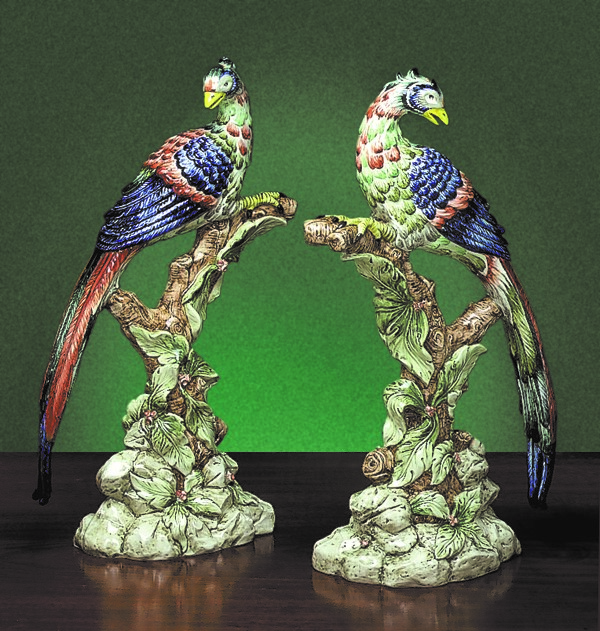





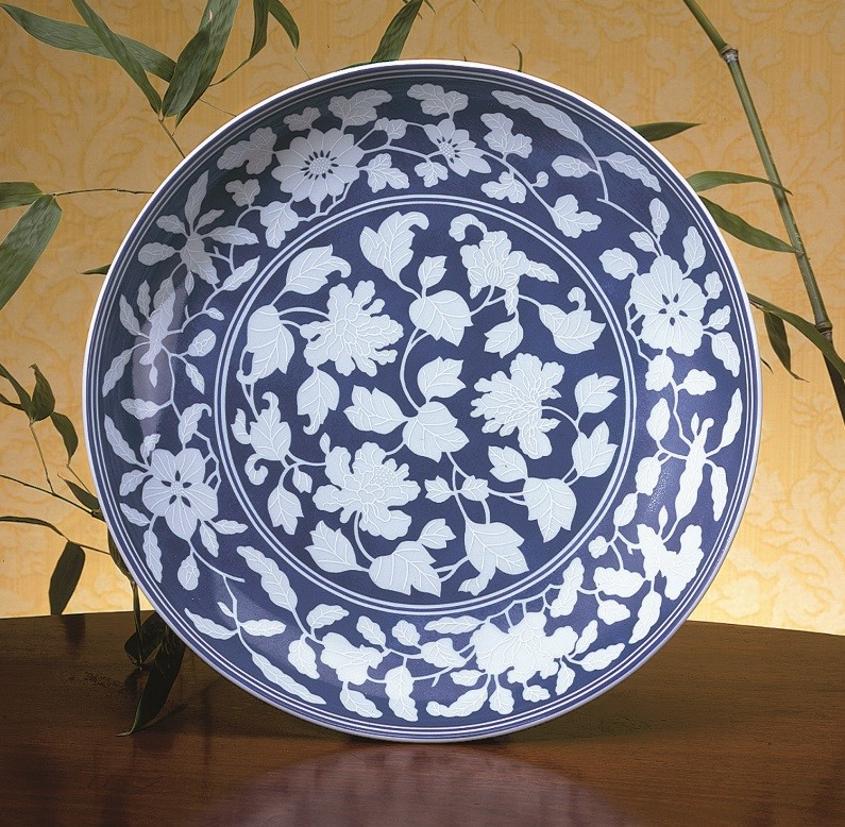
Mottahedeh is one of those small and independent little companies that fills a niche in our society while most of these companies of a similar type have gone by the wayside. We make decorative items and historic dinnerware because we think it is important--it is the culture of appreciation of beauty. Everyone has a conception of what is beautiful and we have a rather specific one. It focuses on the best of the past, whether it is a cultural style, a refined form, a group of colors that are blended harmoniously. For over 90 years of developing products, they can be found in many homes, garage sales, attics and places of pride in the house. These objects could be toleware, brass, silver, crystal, glass, porcelain, faience, wood, or pottery. Taken as a whole, they are quite different in style, while most have an antique origin or inspiration. They represent a good idea, a group of people or a point in time.
It is an accepted point that one person may look at our objects and decides he/she doesn’t like it at all, while, at the same time, another person thinks it is great—just the cat’s meow. This shows that the designer picked a position and tried to say something loud and clear. We regard this as great. At Mottahedeh, an object is what it is -all the way. There are so many points of view and all are valuable, if there is the courage to express it.
Do you know the story about the Emperor’s new clothes. Or in this case, the phrase?
The Phrase Finder website say this is a label given to any fictional item that viewers have been induced into believing as real.
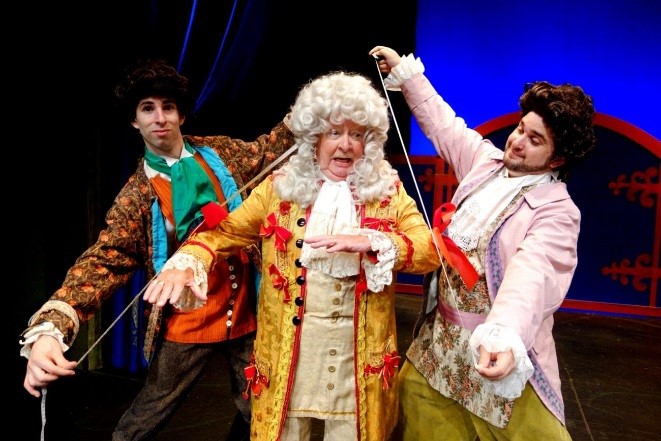
“The expression 'the emperor's new clothes' or variants like 'the emperor has no clothes' are difficult to explain briefly and are most easily understood by looking at its source, that is, Hans Christian Anderson's fable The Emperor’s New Clothes, 1837.
Anderson's tale involves a vain king who was preoccupied with his appearance and his wardrobe. A pair of swindlers took advantage of this by pretending to be able to weave the finest cloth, which couldn't be seen by people who were either unfit for office or were particularly stupid. The king decided to have a suit of clothes made from the fabric in order to test which of his courtiers was unfit for office. As he didn't want to appear stupid or unfit for rule himself, he pretended to be able to see the new clothes, as did all of his courtiers. He paraded the 'new clothes' through the streets and the onlookers, also not wishing to appear stupid, all admired them. A small child, who didn't understand the apparent necessity for pretense, piped up 'But he has nothing on!'. The bubble of pretense burst and soon all the onlookers were repeating what the child had said, whilst the king continued the procession, attempting to maintain his dignity by pretending that nothing had happened.
So, the meaning of the expression is clear from the story. It is used in contexts where people are widely acclaimed and admired but where others question whether what they have created is of any value. Modern-day examples might be the highly priced work of conceptual artists or the more avant-guard products of fashion designers.”
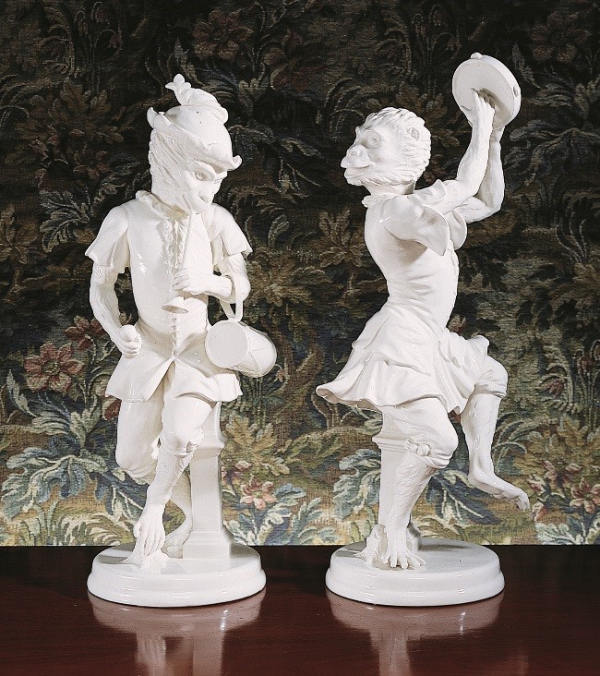
Each person has his/her likes and dislikes but the important thing is to see with one’s own eyes and not through the eyes of another. Be true to your vision and develop your style. We also thing it is important to look for beauty in the world and in others and express it.